DIFFERENCES AND APPLICATIONS IN OFFICE LIGHTING
LED PANEL
Structure and Design
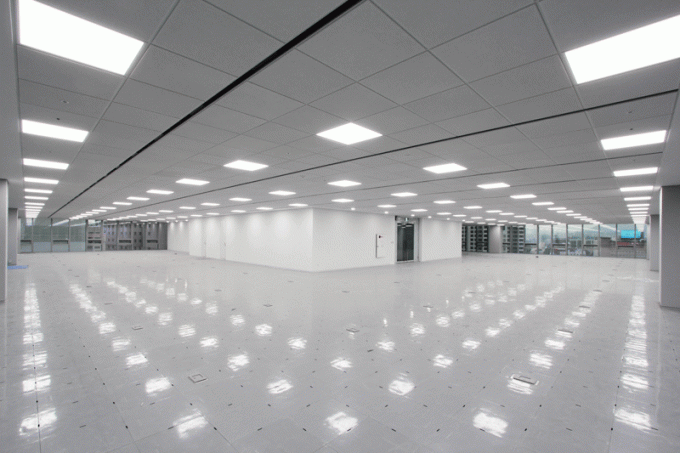
LED Panels are slim, typically square or rectangular lighting products. They are often made of lightweight aluminum and acrylic, creating a modern and sleek appearance. Inside, LED bulbs are evenly arranged to generate uniformly distributed light across the surface.
Types of LED Panels
There are various types of LED Panels catering to different purposes. Solar-simulating LED Panels replicate natural light, providing a workspace close to nature. Sensor-equipped LED Panels can automatically adjust brightness based on surrounding light conditions.

Advantages
1. Even Lighting: LED Panels emit soft and evenly distributed light, reducing eye strain.
2. Energy Efficiency: With high efficiency, they save energy and offer brightness adjustment capabilities.
3. Slim Design: The flat form of LED Panels facilitates easy ceiling installation, creating a clean and modern workspace.

REFLECTIVE LIGHT FIXTURE
Structure and Design
Reflective Light Fixtures typically have a tubular shape, long and relatively large. They are often made of materials such as aluminum or steel to ensure durability. Inside the fixture, bulbs and reflective materials are integrated to enhance lighting performance.
Types of Reflective Light Fixtures
There are various types of fixtures serving different purposes. Horizontal fixtures are suitable for illuminating large areas, while vertical fixtures serve specific areas such as work desks.

Advantages
1. Strong and Focused Light: Reflective Light Fixtures provide powerful and focused light, suitable for illuminating specific work areas.
2. Easy Installation and Maintenance: The simple design of these fixtures makes installation and maintenance processes more straightforward.
APPLICATIONS IN OFFICE LIGHTING
LED Panel
LED Panels are often preferred for general lighting in large workspaces. With the ability to be recessed into ceilings, they create a clean and modern working environment.
Reflective Light Fixture
Reflective Light Fixtures are commonly used to illuminate specific areas such as work desks, reception counters, or group workspaces. They focus light on critical areas to optimize work efficiency.
FACTORS TO CONSIDER WHEN CHOOSING LED LIGHTS
Power
Selecting the appropriate power for the intended environment is crucial. LED lights come in different power ratings, ranging from 5W to 100W or more. In fuel stations, using LED lights with the right power can help save energy and reduce operational costs.
Color Rendering Index (CRI)
CRI measures the ability of LED lights to reproduce colors compared to natural light sources. For fuel stations, choosing LED lights with a high CRI helps accurately identify colors, especially when checking fuel.
Ingress Protection (IP Rating)
IP Rating determines the level of water and dust resistance of LED lights. In environments like fuel stations, choosing LED lights with a high IP Rating (e.g., IP65 or higher) ensures stable operation in all weather conditions.
Lifespan
Choosing LED lights with a high expected lifespan helps reduce the frequency of replacements and maintenance. This is particularly important in fuel station environments, where the failure of lights can impact security and safety.
IK Rating – Mechanical Durability
The IK Rating (Ingress Protection) measures the resistance of LED lights to mechanical impacts and shocks. This is crucial in environments like gas stations, where there is a risk of contact with physical elements.
The Advantages of Led Magnetic Track Light
UNIQUE CHRISTMAS DECORATION WITH RGB LED LIGHTS AND LED STRIPS
Related Article

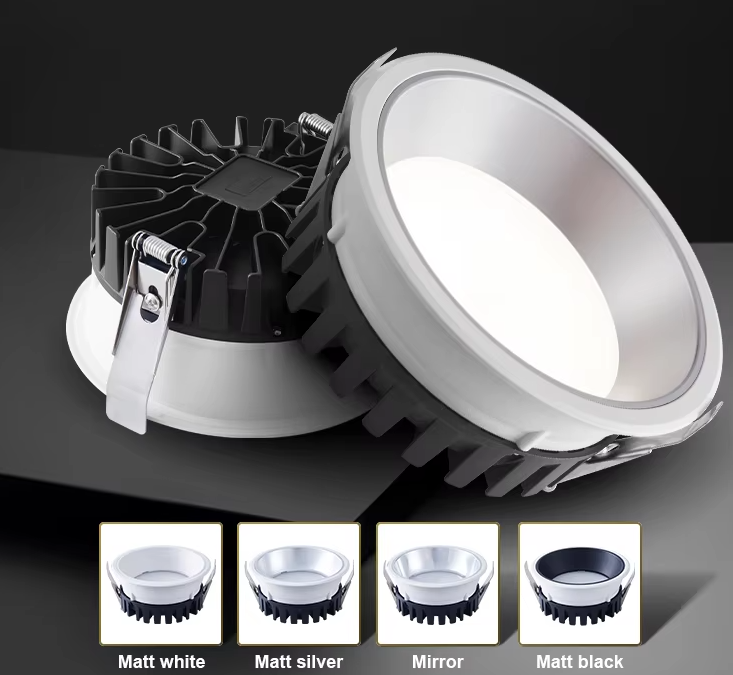
Meet the next generation of hotel illumination: DALI Dimmable Aluminum Down Spot Lights (15W-42W)
where cutting-edge technology meets elegant design to transform spaces into sanctuaries of light.